

Forest First Fridays: A Nature-Based Recovery and Wellness Program
Offered first Fridays of the month, February through December
Join BEEC and Turning Point of Windham County for a series of programs blending outdoor skills and peer connection in support of resilience and recovery.
This series will offer individuals the chance to gather monthly on BEEC’s campus for guided sessions that blend outdoor skills, nature exploration, and peer support. Through hands-on activities and shared experiences in nature, this program fosters resilience, connection, and healthy habits.
- 2/6; 2pm-4pm: Fire Building, cooking, birding, and animal tracking
- 3/6; 2pm-4pm: Outdoor Recovery
- 4/3; 2pm-4pm: Outdoor Recovery
- 5/1; 2pm-4pm: Outdoor Recovery
- 6/5; 2pm-4pm: Plant and animal identification, outdoor first aid
- 7/10; 4:30pm-6:30pm: Outdoor Recovery
- 8/7; 4:30pm-6:30pm: Outdoor Recovery
- 9/4; 2pm-4pm: Invasives removal and trail building
- 10/2; 2pm-4pm: Outdoor Recovery
- 11/6; 2pm-4pm: Outdoor Recovery
- 12/4; 2pm-4pm: Shelter Building and backpacking essentials
Turning Point of Windham County (TPWC) is a local recovery center located in downtown Brattleboro. TPWC's core mission is to support and improve the lives of our neighbors who are experiencing substance use and addiction, at any stage of their recovery. They do this through peer-led social connection, community education, counseling groups, recovery support, outreach, and advocacy.
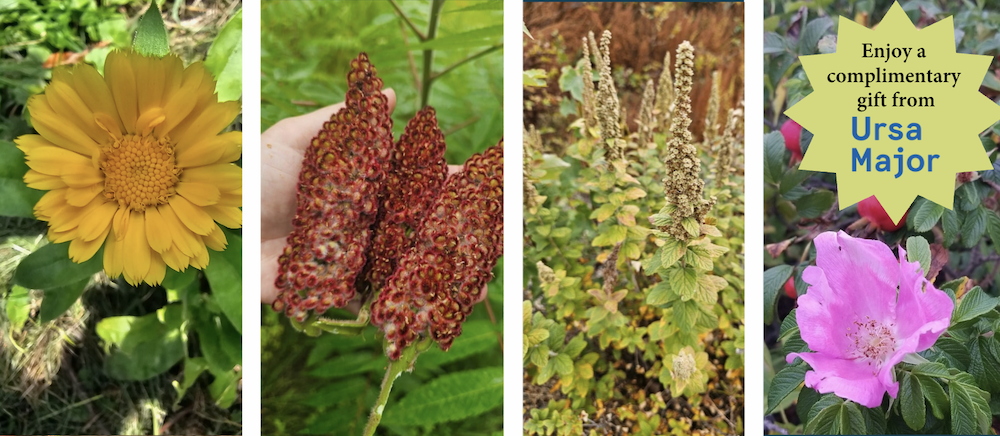
Ethnobotany Series: Botany and the Body
In Partnership with Dr. Jessica Dolan
3/21 from 3-5pm
9/12, and 11/7 from 2-4pm
$55 members/$65 non-members per workshop
This three-part, seasonal workshop series with Dr. Jessica Dolan will explore how plants and trees support physical, emotional, and spiritual well-being.
Through hands-on projects, plant identification walks, and practical herbal preparations, participants will learn to care for skin, build a home first-aid toolkit, and cultivate emotional resilience through connection with the land.
Additionally, each workshop participant will receive a complimentary face serum or body scrub from Ursa Major!
In the first session of the Botany and the Body series, we’ll explore how plants and trees can help care for our largest sensory organ—our skin!
Participants will learn techniques to enhance circulation, hydration, and overall skin wellness, including facial steams and washes, healing baths, foot soaks, rosewaters, hair and skin oils, and skin brushing.
Featured plants may include witch hazel, elderflower, cedar, rose, horse chestnut, calendula, chamomile, rose, balsam fir, marshmallow, meadowsweet, sunflower, flax, evening primrose, nettles, black willow, hickory, birch, wintergreen, and horsetail. Attendees will also create and take home their own healing cedar-rose bath soak sachets.
In the second workshop in our Botany and the Body series, we'll explore local plants and trees that can be used for first aid, including poultices, salves, oils, and rapid hydrators. Participants will explore the BEEC loop to identify these plants in their natural environment, then return to create a handcrafted salve, choosing between Saint John’s Wort or Plantain.
Plants featured in this workshop may include Saint John’s Wort, yarrow, plantain, mullein, spruce, balsam or pine pitch, licorice, nettles, peppermint, sumac, jewelweed, oregano, rosemary, elderberries, chaga, bee balm, comfrey, aloe vera, thyme, elecampane, dock, slippery elm, clove, white willow, ginger, cayenne, burdock, and dandelion.
In the third and final workshop in our Botany and the Body series, we'll explore how to nurture the emotional body through connection with the land. Participants explore practices for grieving and healing with the support of plants, trees, and the surrounding landscape. Deciduous and evergreen trees offer guidance and comfort, while seasonal flowers, seeds, berries, and cones can be gathered to create art that nourishes emotional and spiritual well-being.
The session includes a plant identification and ethnobotany walk, highlighting plants and trees traditionally associated with the heart and emotional healing, such as hawthorn, rose, pine, linden, and catnip. Attendees will collect needles, cones, and berries to craft solstice beeswax candles, integrating the natural materials into a meaningful practice of reflection and care.
Dr. Jessica Dolan is an environmental anthropologist and ethnobotanist, who has worked with Indigenous communities and environmental caretakers in the Northeast, as a researcher, writer, and on Indigenous history, land stewardship, food sovereignty, and cultural regeneration projects, for the last 20 years. She currently works at the National Park Service Northeast Region, Native American Affairs, and is writing an ethnobotany field guide. Her daily work involves writing, creating interpretive resources, and planning/teaching environmental stewardship education, across the Northeast. She is a loving parent to a third generation Brattleboro kid.
The Psychedelic Renaissance—Hope or Hype?
September 1, 5:30pm
In Partnership with The Retreat Farm's Wild Wisdom event series
Suggested Donation of $10
At the Retreat North Barn
Cash bar available
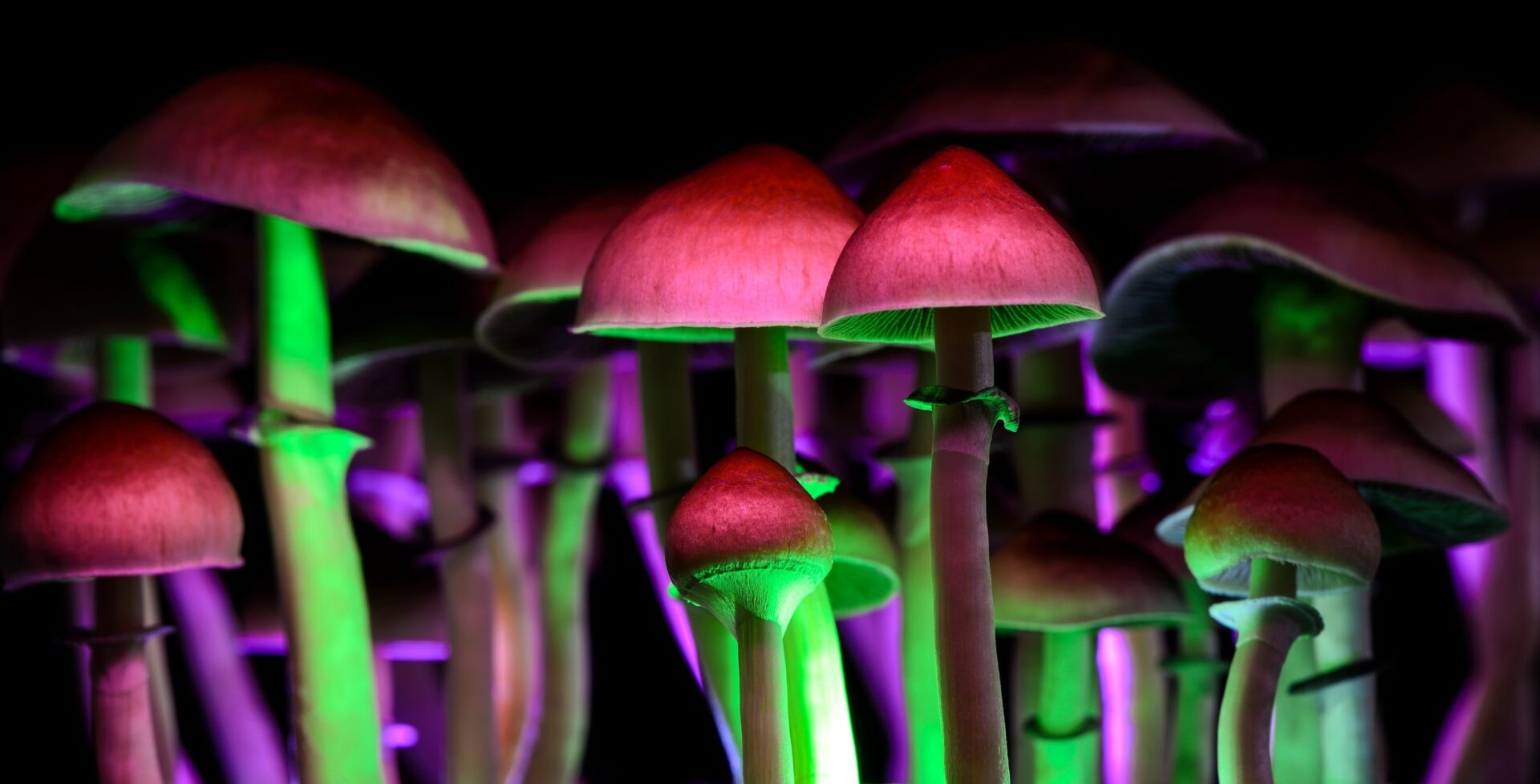
Join a panel of experts to explore the possibilities and realities of psilocybin and other plant medicines, from healing potential to their impact on Vermont’s economy. Curious about the neuroscience, therapeutic uses, legal issues, risks, or Indigenous perspectives? Come get your questions answered!
Katherine Maclean, PhD
At Johns Hopkins University School of Medicine, Katherine conducted legal clinical trials of psilocybin, the primary chemical found in "magic mushrooms”. She was a lead researcher and session guide on the first study to test the combined effects of high-dose psilocybin, daily meditation training and integration support. Katherine holds a BA in psychology and neuroscience from Dartmouth College, earned her PhD in research psychology with the University of California, Davis, and completed her postdoctoral research fellowship in psychopharmacology at the Johns Hopkins University School of Medicine.
Marco Yunga Tacuri
A native of Ecuador, Marco Tacuri received his BA in Cultural Studies from the University of Cuenca. He holds a masters in Anthropology from the University of Lethbridge in Canada, where he studied identity, ethnopolitics, and traditional music in the Amazon.
Kurt White
Kurt is the VP of Community Partnerships, Communication, and Development at the Brattleboro Retreat. He earned his BA at the University of Chicago and his MSW at Smith College.
Justin Garner
Justin Garner has been a lifelong student of the natural world. His fascination with expanded states of consciousness began when his father introduced him to The Golden Guide of Hallucinogenic Plants in the fourth grade. He received his Bachelor’s of Science in Herbal Sciences from Bastyr University. He studied the clinical practice of herbal medicine at the Vermont Center for Integrative Herbalism in their Clinical Herbalist training program. His experiences with psilocybin mushrooms opened his eyes to the wonders of the fungal kingdom. Justin enjoys teaching others how to identify and utilize the wild edible and medicinal mushrooms of our area.